TACOMA, WA – May 18, 2026 – PRESSADVANTAGE –
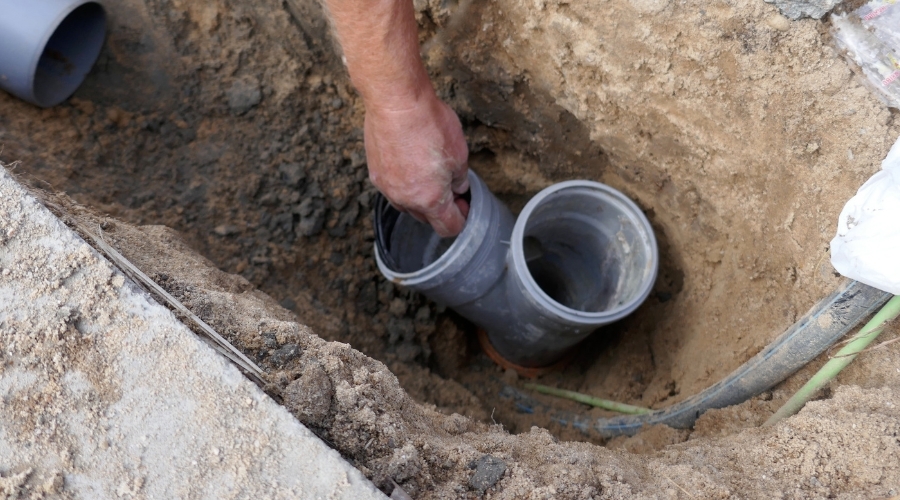
Professional plumbers in Tacoma, WA, explain common sewer line warning signs, causes of pipe damage, and repair options such as camera inspections, drain cleaning, sewer line repair, and replacement.
A damaged or blocked sewer line can affect drains, plumbing fixtures, landscaping, and household sanitation at the same time. When sewer line trouble develops, homeowners may notice slow drains, sewage odors, recurring clogs, or wastewater backing up into fixtures. Catching these problems early can help limit mess, reduce water damage concerns, and prevent a clogged sewer line from becoming a more serious sewer backup.
Several plumbing fixtures acting up at once can signal a sewer line problem. A single slow sink may point to a nearby clog, but slow drains throughout the home often suggest a deeper blockage in the main sewer line. Toilets, tubs, and floor drains may also gurgle as trapped air moves through blocked or restricted piping.
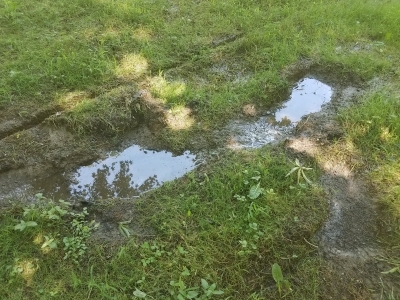
A sewage smell near drains, in the yard, or around the home is another warning sign. Recurring clogs that return soon after basic drain cleaning may indicate that the obstruction sits farther down the line. In more severe cases, wastewater can rise through tubs, toilets, or floor drains, creating a sewer backup that needs immediate attention. Outdoors, soggy patches, sunken soil, or unusually green strips of grass can develop when leaking wastewater feeds into a single lawn area.
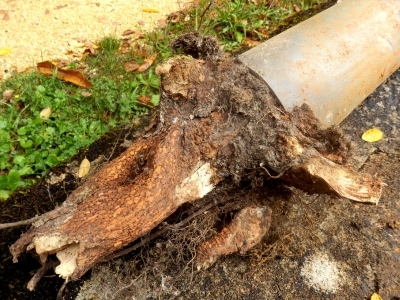
Sewer line damage can come from both what enters the pipes and what happens around them. Tree roots are a common cause because roots seek moisture and can slip into small pipe joints, cracks, or weakened areas. Once inside, roots may expand, catch debris, and create stubborn blockages.
Grease buildup is another frequent source of trouble. Oils and fats may coat pipe interiors, then trap food particles, waste, and other debris. Over time, this buildup can narrow the pipe and slow wastewater flow. Foreign objects that are flushed or washed down drains can also lodge in bends, narrow sections, or damaged areas of the sewer line.
Older sewer pipes may corrode, crack, weaken, or separate over time, especially if they are made from outdated materials. Shifting soil, heavy rainfall, nearby construction, ground movement, or settling can also push pipes out of alignment. In some cases, a pipe section may sag, break, or collapse, causing repeated backups and making sewer repair necessary.
A plumber can begin with a camera sewer inspection to see inside the line and identify the location, size, and type of problem. This inspection helps determine whether the issue is a soft clog, grease buildup, root intrusion, damaged pipe, offset joint, belly, or collapsed section. With better information, the repair plan can match the actual sewer line condition.
Some blockages may be solved with professional drain cleaning. If the pipe is structurally sound and the issue is a clog or buildup, cleaning may help restore flow. Hydro jetting can remove heavy buildup, grease, roots, and debris by using high-pressure water, though it may not be appropriate for every pipe, especially if the line is severely damaged, fragile, or collapsed.
When pipe damage is present, sewer line repair may involve replacing a broken section, installing sewer liners, or planning a sewer line replacement. Sewer lining can create a new interior surface within the existing pipe in certain situations, depending on the pipe’s condition and the type of damage. If the sewer line is severely deteriorated, collapsed, repeatedly backing up, or damaged in multiple areas, replacement may be recommended.
Trenchless sewer repair may be available in some cases, limiting excavation compared with traditional digging. This can reduce disruption to landscaping, driveways, or hardscaping, but availability depends on factors such as pipe layout, depth, access, damage severity, and local site conditions.
The best sewer repair option can vary by property. Two homes with similar symptoms may need different solutions after inspection. Pipe material, pipe age, damage severity, access, soil stability, nearby tree roots, landscaping, hardscaping, and local plumbing code requirements can all affect the final recommendation and outcome.
As a local credibility note, Hunt’s Services has a 4.8 rating on Google and a 4.7 rating on HomeAdvisor at the time of writing. One recent reviewer described the team as “knowledgeable, professional, friendly, and respectful of my home,” reflecting the importance homeowners place on clear communication and careful work during major home service projects.
Sewer line problems can show up as slow drains, gurgling fixtures, sewage odors, recurring clogs, yard changes, or wastewater backups. Common causes include tree root intrusion, grease buildup, foreign objects, aging pipes, soil movement, and collapsed pipe sections. Repair options may include camera inspection, drain cleaning, hydro jetting, sewer line repair, sewer liners, trenchless sewer repair, or sewer line replacement. The right solution depends on the property, the pipe condition, and the severity of the issue. Early diagnosis can help homeowners better understand the problem and reduce the risk of more serious sewer backups or property damage.
###
For more information about Hunt’s Services, contact the company here:
Hunt’s Services
Faruk Oyebanjo
253-533-7500
info@huntsservices.com
8111 Pacific Hwy E Tacoma, WA 98422