Key Takeaways
- Over 400 million Africans still lack access to clean drinking water, creating a humanitarian crisis that demands immediate financial intervention
- Africa needs $50 billion annually to achieve water security by 2030, but current investments fall at least $30 billion short of this target, with current annual investments ranging from $10-19 billion
- Poor water access costs Africa $200 billion annually in lost GDP, while every $1 invested in water infrastructure returns $7 to African economies
- Climate change worsens the crisis, as 95% of African farming depends on unpredictable rainfall patterns
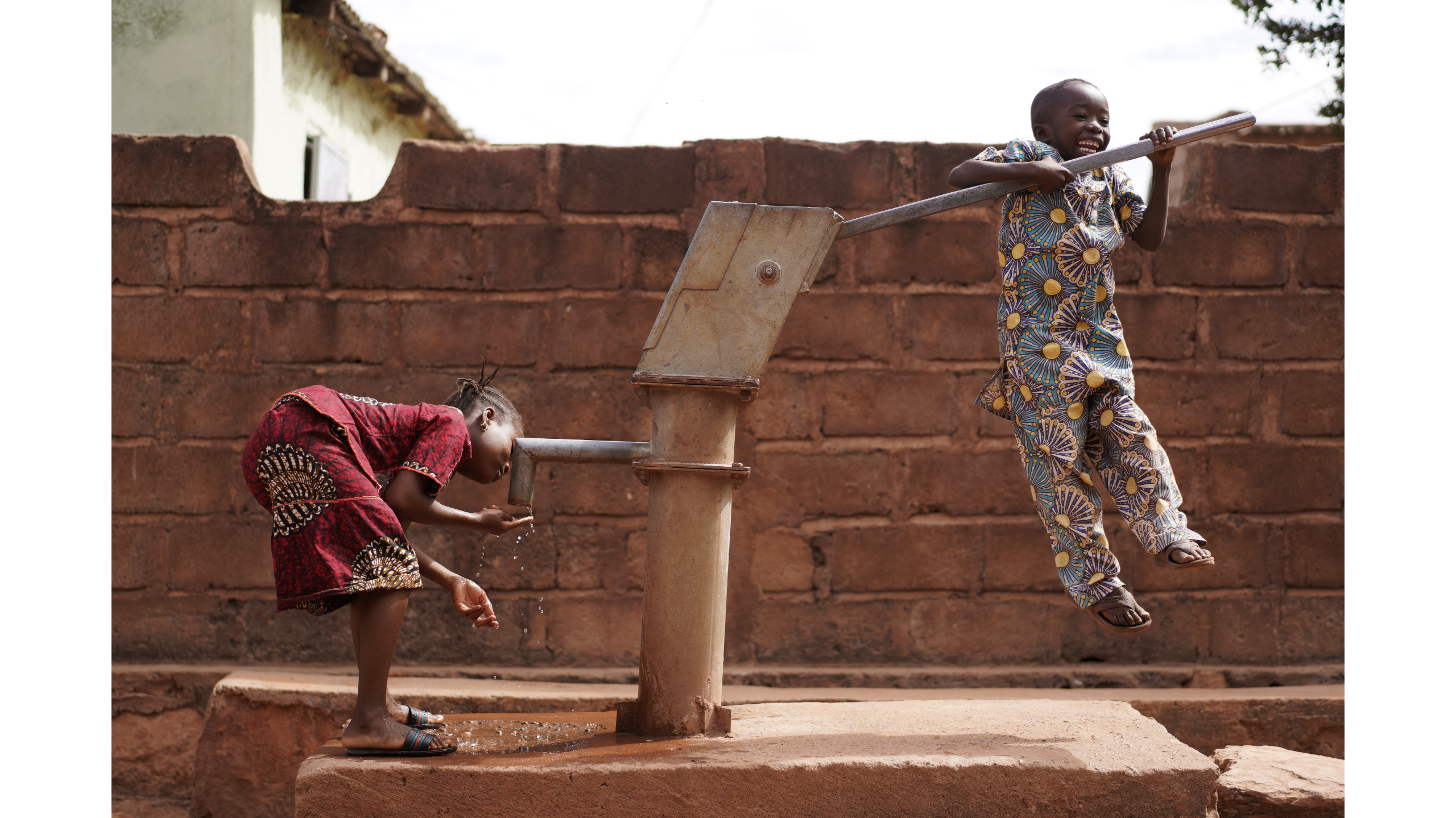
- Strategic donations can provide entire villages with clean water access, helping break cycles of poverty and disease
Africa’s water crisis is one of the most urgent humanitarian challenges of our time — and closing the funding gap will require sustained commitment from donors and organizations worldwide.
400 Million Africans Still Can’t Access Clean Water
The stark reality of Africa’s water crisis hits hardest in the numbers: over 411 million people across the continent lack basic drinking water services. This staggering figure represents more than one-third of Africa’s population, forced to rely on contaminated sources or travel enormous distances for water that many take for granted. Water scarcity affects 1 in 3 people in the African Region and continues worsening due to population growth, urbanization, and increased household and industrial demands.
Sub-Saharan Africa bears the heaviest burden of this crisis, with approximately 400 million people lacking access to basic drinking water services. These communities face daily struggles that ripple through every aspect of life – from health and education to economic opportunities and gender equality.
The water crisis extends far beyond inconvenience, creating a complex web of interconnected problems that trap entire communities in cycles of poverty and disease. Without reliable access to clean water, families cannot break free from the daily survival mode that prevents economic advancement and social development.
Africa Needs $50 Billion Annually for Water Security by 2030
Achieving universal access to water and sanitation across Africa requires an estimated $50 billion per year in infrastructure investments. This massive financial commitment represents the scale of intervention needed to address decades of underinvestment in water systems. Current funding levels fall dramatically short of these requirements, creating a critical gap that threatens Africa’s development prospects.
Current Investment Falls at Least $30 Billion Short of Target
The funding reality paints a sobering picture: Africa currently receives only $10-19 billion annually in water investments, leaving a staggering shortfall of at least $30 billion each year. This enormous gap explains why progress toward universal water access remains frustratingly slow despite technological advances and growing awareness of the crisis. Securing universal safe drinking water, sanitation, and hygiene in sub-Saharan Africa alone requires an estimated $35 billion per annum in capital costs.
The investment deficit compounds over time, as inadequate maintenance of existing infrastructure leads to system failures and community setbacks. Without bridging this funding gap, millions of Africans will continue suffering from preventable water-related hardships well beyond 2030 development targets.
Private Sector Contributes Only 9% of Water Investments
Private sector engagement in African water projects remains surprisingly limited, contributing only 9% of total water investments across the continent. This stark contrast becomes evident when compared to other infrastructure sectors, where private investment plays a much larger role – telecommunications (87%) and power generation (45%) both attract significantly higher private sector participation.
The low private sector involvement highlights both the challenges and opportunities within Africa’s water sector. Risk perceptions, regulatory uncertainties, and revenue generation difficulties often discourage private investors despite the clear humanitarian need and potential economic returns. Creative financing mechanisms and public-private partnerships could unlock additional funding sources to help close the investment gap.
Each $1 Invested Returns $7 to African Economies
Economic analysis reveals that investing in climate-resilient water and sanitation infrastructure yields exceptional returns, generating at least $7 in economic benefits for every $1 spent in African economies. These returns manifest through multiple channels: reduced healthcare costs, increased agricultural productivity, improved educational outcomes, and expanded economic opportunities for women and marginalized communities.
The multiplier effect of water investments extends throughout entire economic ecosystems, creating jobs during construction phases and enabling long-term productivity gains across agriculture, manufacturing, and service sectors. Communities with reliable water access experience measurable improvements in business development, household incomes, and overall economic resilience.
Poor Water Access Costs Africa $200 Billion in Lost GDP
Sub-Saharan Africa loses approximately 5% of its GDP annually due to inadequate water access, contaminated water supplies, and poor sanitation systems. This translates to roughly $170-200 billion in economic losses each year – a massive drag on development that perpetuates poverty cycles across the continent. The economic impact extends far beyond immediate health costs, affecting productivity, education, and long-term growth prospects.
Water-Related Diseases Kill Hundreds of Thousands of Children Annually
Waterborne diseases like cholera and diarrhea claim thousands of lives annually across Africa, with children under 5 facing the highest risk of mortality. Contaminated water sources contribute to an estimated 505,000 diarrhoeal deaths each year globally, with African children representing a disproportionate share of these preventable tragedies. These deaths represent not only human suffering but also lost potential – future leaders, innovators, and community builders whose contributions will never be realized.
The health burden extends beyond mortality statistics to include chronic malnutrition, stunted growth, and cognitive development delays that affect children throughout their lives. Frequent illness from contaminated water keeps children out of school and adults away from work, creating intergenerational cycles of poverty and limited opportunity.
Women and Girls Lose Billions of Hours Collecting Water
Water scarcity disproportionately affects women and girls, who spend an estimated 40 billion hours annually collecting water instead of pursuing education or income-generating activities. This massive time burden reinforces gender inequalities and limits opportunities for economic empowerment across African communities. Young girls often miss school during water collection trips, reducing their educational attainment and future prospects.
The physical demands of water collection also take a toll on women’s health, as they frequently carry heavy containers over long distances on foot. These journeys can be dangerous, exposing women and girls to risks of violence or injury while traveling to remote water sources. Reliable water access close to home would free up that time for school, work, and family.
Climate Change Worsens the Crisis
Climate change compounds Africa’s water challenges through increasingly unpredictable weather patterns, prolonged droughts, and extreme flooding events. Rising temperatures and shifting precipitation patterns disrupt traditional water sources while increasing demand for irrigation and cooling. These climate impacts hit hardest in regions already struggling with water scarcity, creating humanitarian emergencies and forcing population migrations.
95% of African Farming Depends on Unpredictable Rainfall
More than 95% of sub-Saharan Africa’s agriculture relies entirely on rainfall rather than irrigation systems, making farming communities extremely vulnerable to climate variability. As 90% of the region’s rural population depends on agriculture as their primary income source, unpredictable rainfall patterns threaten food security and economic stability for hundreds of millions of people. Consecutive years of drought can devastate entire communities, forcing families to abandon their land and migrate to urban areas.
Climate-induced agricultural failures create ripple effects throughout African economies, driving food price inflation and increasing malnutrition rates. Without reliable water infrastructure for irrigation, African farmers cannot adapt to changing climate conditions or improve crop yields to feed growing populations.
Green Infrastructure Offers Climate-Resilient Solutions
Climate-resilient green infrastructure provides sustainable solutions that work with natural systems rather than against them. Rainwater harvesting, constructed wetlands, and watershed restoration projects can capture and store water during abundant periods while filtering contaminants naturally. These approaches often cost less than traditional infrastructure while providing additional benefits like biodiversity preservation and carbon sequestration.
Successful green infrastructure projects demonstrate the potential for community-led solutions that build local capacity while addressing water access. A community-led water supply project in rural Kenya, supported by international funding, trained local residents in sustainable water management and constructed rainwater harvesting systems, providing clean drinking water while empowering community members to maintain their systems independently.
Your Donation Can Provide Water Access for Villages
Individual donations can have a direct, measurable impact on communities across Africa that lack reliable water access. Organizations working in the water sector have developed cost-effective approaches that maximize donor impact, with some projects providing clean water access to entire villages for relatively modest investments. For example, funding a well can cost between $5,000 and $15,000 and can serve an entire village, demonstrating how strategic donations create lasting benefits for hundreds of people.
Modern water projects emphasize community ownership and sustainability, ensuring that donor investments create long-term solutions rather than temporary fixes. Training programs teach residents to maintain and repair water systems, while community governance structures ensure equitable access and proper resource management. These approaches help donated funds create a lasting impact that continues benefiting communities for decades.
Access to clean water is a basic human right — and one that hundreds of millions of Africans still don’t have. Every donation helps chip away at a funding gap that has held communities back for decades.
SYNERGY HEALS
114 West Magnolia Street #400-135
SUITE #400-135
Bellingham
WA
98225
United States