
Protecting Your Home from Moisture Damage: Foundation Waterproofing and Humidity Control
Beltsville, United States – June 23, 2026 / Aquaguard Waterproofing /
Humidity directly affects a home’s structural integrity, with elevated moisture levels posing clear risks to foundation stability. Excess moisture can promote mold growth, accelerate material deterioration, and lead to costly repairs. Understanding these mechanisms enables homeowners to adopt preventive measures. This article outlines effective moisture control practices, established waterproofing options, and the role of adequate ventilation. It also explains how these elements work together to maintain a safe, stable living environment. Addressing these factors helps protect a property from humidity-related damage.
Key Takeaways
- Humidity significantly impacts foundation stability by increasing moisture, which can cause mold growth and structural damage.
- Effective moisture control techniques include using dehumidifiers, vapor barriers and conducting regular foundation inspections.
- Waterproofing methods like exterior coatings, interior sump pumps, and foundation sealing protect against humidity-related deterioration.
- Crawlspace encapsulation controls humidity, improving foundation stability and indoor air quality by isolating ground moisture.
- Sump pump systems and floor drains effectively manage foundation moisture by collecting and diverting water away from the home.
- Proper ventilation reduces humidity by promoting air circulation, preventing condensation and moisture accumulation in basements and crawlspaces.
- Regular maintenance and testing of sump pumps and drainage systems ensure long-term effectiveness in moisture control.
- Homeowners should watch for musty odors, damp spots, and wall cracks as signs of foundation moisture damage.
- Professional waterproofing inspections provide early detection, customized solutions, and warranties to safeguard foundation integrity.
Proven Moisture Control Techniques:
 Controlling interior and sub‑floor moisture is essential to preserving foundation performance. Implementing proven moisture control measures reduces the likelihood of mold, rot and structural movement. The following strategies are widely used and practical to maintain acceptable humidity levels.
- Dehumidifiers: These devices actively remove excess moisture from the air, significantly lowering humidity levels. Regular use can effectively reduce the risk of mold growth and wood rot.
- Vapor Barriers: Installing vapor barriers in crawlspaces and basements helps prevent moisture from the ground from rising into living areas, providing an extra layer of protection for your home’s foundation.
- Regular Inspections: Conducting thorough inspections of your property’s foundation and drainage systems helps identify potential problems early on, allowing homeowners to take corrective action before significant damage occurs.
Applying these measures helps maintain appropriate moisture levels and preserves foundation stability. For additional guidance on moisture control, AquaGuard Waterproofing offers professional consultations.
Effective Waterproofing Solutions:
Waterproofing is a primary defense against humidity-driven deterioration of foundation materials. Implementing appropriate waterproofing methods reduces water ingress and limits long‑term damage. The options below represent standard approaches to protect foundations.
- Exterior Waterproofing: This method involves applying specialized coatings to the exterior foundation walls to prevent water ingress. This proactive measure redirects water away from the foundation.
- Interior Waterproofing: Used in conjunction with exterior solutions, interior waterproofing helps manage water that may infiltrate through walls by utilizing sump pumps and drainage systems.
- Foundation Sealing: Sealing cracks and openings in the foundation prevents moisture from seeping through, helping to maintain the home’s structural integrity.
When these waterproofing methods are implemented correctly, they reduce the risk of humidity‑related foundation deterioration. AquaGuard Waterproofing provides tailored waterproofing solutions to match specific site conditions.
| Service | Method | Effectiveness |
|---|---|---|
| Exterior Waterproofing | Coating application | Excellent |
| Interior Waterproofing | Sump pump installation | Very effective |
| Foundation Sealing | Crack sealing | Good |
The table summarises how each waterproofing service contributes to moisture mitigation and indicates relative effectiveness in protecting the foundation.
Understanding Humidity and How It Influences Foundation Moisture
Humidity is the amount of water vapour present in the air and varies by season and location. High humidity can increase soil saturation around a foundation; soil type and its water retention characteristics determine how much moisture persists near structural elements. When surrounding soil becomes saturated, water can migrate into foundation materials and compromise stability, potentially leading to costly repairs and safety concerns.
What Are the Effects of Humidity on Concrete and Structural Integrity?
Concrete and other structural materials are resilient, but persistent high humidity presents documented risks:
- Weakening of Foundation Walls: High moisture levels can lead to the degradation of concrete, causing it to weaken over time.
- Mold Growth Impact: The presence of moisture creates a favorable environment for mold, which not only affects aesthetics but can also contribute to health issues.
- Damage to Structural Wood Components: Wooden elements in a foundation can warp or rot when exposed to excessive moisture, threatening the overall structural integrity of the home.
These effects underline the importance of implementing reliable moisture control strategies.
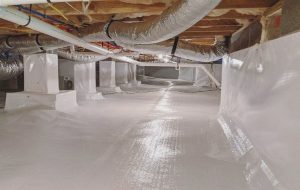
What Are the Benefits and Techniques of Crawlspace Encapsulation for Humidity Control?
Crawlspace encapsulation offers several measurable benefits for humidity management:
- Foundation Stability: By sealing the crawlspace, moisture levels are controlled, significantly reducing the risk of foundation damage.
- Moisture Control: This technique effectively isolates the foundation from ground moisture, preventing it from affecting the entire building.
- Improved Indoor Air Quality: By reducing humidity, encapsulation helps improve air quality within the home, minimizing health risks associated with mold and mildew.
Implementing crawlspace encapsulation is an effective measure to maintain a drier foundation. For specialist solutions, consider crawlspace waterproofing services.
How Does Basement Waterproofing Prevent Water Damage and Mold?
Basement waterproofing reduces water ingress and conditions that favour mold. Core components of an effective strategy include:
- Vapor Barriers: These barriers prevent moisture from migrating up walls or floors.
- Dehumidifiers: They help maintain optimal humidity levels, making conditions unfavorable for mold growth.
- Drainage Systems: Implementing effective drainage measures ensures any water that enters can be swiftly redirected away from the foundation.
Applying these measures protects basements from water damage and limits conditions that support mold development.
What Technologies and Products Are Used in Basement Waterproofing?
Several technologies and products are commonly used to tailor basement waterproofing to site conditions. Typical solutions include the following:
- Drainage Systems: They help direct water away from the foundation and toward proper discharge points.
- Sump Pumps: Essential for removing accumulated water from basements, preventing flooding and moisture issues.
- Vapor Barriers: These barriers block moisture from soil, crucial in maintaining a dry basement environment.
Selecting and installing these products correctly ensures controlled moisture levels in the basement.
How Do Sump Pump Systems and Floor Drains Mitigate Foundation Moisture?
Sump pump systems combined with floor drains form an operational approach to control foundation water:
- Water Collection and Pumping: Sump pumps collect water that infiltrates basements and pump it out of the home, ensuring areas remain dry.
- Water Diversion: Installed floor drains help divert water flow away from the foundation, reducing the risks of flooding.
- Moisture Control Benefits: Together, these systems prevent excessive moisture, thus safeguarding the foundation from potential damage.
For many homeowners, proactive sump pump installation is an important step to support long‑term foundation stability.
When Is Sump Pump Installation Recommended for Humidity Issues?
Sump pump installation is recommended in several scenarios:
- High Water Table Conditions: Homes situated in areas with a high water table are particularly prone to flooding and moisture issues.
- Visible Moisture Issues: Signs of moisture damage, such as damp spots and odors, indicate the need for a sump pump.
- Frequent Flooding: Properties that experience regular flooding should consider installing a sump pump to mitigate water ingress.
Installing a sump pump in a timely manner can prevent extensive damage and protect the property investment.
What Maintenance Practices Ensure Sump Pump and Drain Effectiveness?
Routine maintenance preserves the function of sump pumps and drainage systems. Recommended practices include:
- Regular Inspections: Check sump pumps for any signs of wear or damage, ensuring they function correctly.
- Testing: Conduct routine tests to verify that pumps activate and deactivate correctly.
- Clearing Debris: Ensure that drains remain clear of blockages to maintain an uninterrupted flow of water.
Consistent inspection, testing and debris removal help ensure these systems operate effectively and limit foundation moisture risks.
How Does Proper Ventilation Contribute to Long-Term Foundation Stability?
Proper ventilation helps control interior humidity by expelling moisture‑laden air and promoting steady airflow. This reduces condensation on cool surfaces and helps maintain more uniform temperatures within the structure. Consistent airflow and balanced humidity reduce the conditions that cause material degradation, supporting long‑term structural stability and healthier indoor environments.
Why Is Ventilation Critical in Controlling Basement and Crawlspace Humidity?
 Ventilation systems play a key role in humidity control for basements and crawlspaces by:
- Humidity Reduction: By continuously circulating air, they help remove moisture-heavy air from the environment.
- Improved Air Quality: Effective ventilation reduces the risk of mold and associated health problems.
- Cost Savings: Maintaining low humidity levels can lead to reduced energy costs by minimizing the need for extensive dehumidification processes.
Proper ventilation therefore contributes to better climate control and reduced moisture‑related risks in the home.
What Ventilation Solutions Are Best for Moisture Control?
Common ventilation and moisture‑control options include:
- Dehumidifiers: These units actively reduce humidity levels, improving air quality.
- Ventilation Systems: Properly designed systems facilitate airflow, ensuring moisture does not accumulate in critical areas.
- Airflow Management: Strategies like exhaust fans enhance overall ventilation, providing crucial moisture control.
These solutions, when specified to site conditions, effectively manage humidity and support a healthier indoor environment.
What Emergency Waterproofing and Inspection Services Does AquaGuard Offer?
AquaGuard Waterproofing offers emergency waterproofing and inspection services to assist homeowners facing urgent moisture issues. Free inspections identify potential problems early, and AquaGuard provides tailored interventions designed to stabilize foundations in critical situations. Their documented procedures and rapid response make them a practical resource for urgent foundation protection.
How Can Homeowners Identify Signs of Foundation Moisture Damage?
Homeowners should monitor for common indicators of foundation moisture damage, including:
- Musty Odors: A persistent damp smell often indicates mold or mildew presence.
- Damp Spots: Areas of moisture on walls or floors can signal inadequate waterproofing or drainage systems.
- Cracks in Walls: Visible fissures may reflect structural movement caused by underlying moisture issues.
Early recognition of these signs enables prompt investigation and corrective measures, reducing the risk of more extensive damage.
What Are the Benefits of AquaGuard’s Free Waterproofing Inspection and Warranty?
AquaGuard provides free waterproofing inspections that deliver clear benefits. These include early problem detection, customized recommendations based on site conditions, and the reassurance of a warranty to support long‑term performance. Such services help homeowners protect structural integrity against humidity impacts.
Frequently Asked Questions
1. How can I tell if my foundation is affected by humidity?
Signs of foundation moisture issues include musty odors, damp spots on walls or floors, and visible cracks. Homeowners can also look for warped or rotting wood or peeling paint on exterior surfaces. If you observe any of these signs, it is important to investigate promptly, as early detection helps limit further damage and protects foundation integrity.
2. What are the long-term effects of ignoring humidity-related problems?
Failing to address humidity problems can result in severe structural damage, widespread mold growth and degraded indoor air quality. Over time, these conditions often require extensive repairs and can reduce property value. Additionally, prolonged mold exposure can create health risks such as respiratory irritation or allergic reactions for occupants.
3. Can landscaping affect foundation moisture levels?
Yes. Proper grading should direct surface water away from the foundation to reduce soil saturation near structural elements. Strategic planting can help absorb excess moisture, while poorly placed trees or shrubs may introduce invasive roots that threaten the foundation. Regular assessment of landscaping and grading is a practical step in moisture management.
4. What is the difference between interior and exterior waterproofing?
Interior waterproofing addresses water that has entered the basement, typically using sump pumps and interior drainage to redirect water away. Exterior waterproofing focuses on preventing water from entering in the first place, for example, by applying water‑resistant coatings to foundation walls. Both approaches are complementary and often used together for full protection.
5. How often should I conduct inspections for moisture and waterproofing?
It is advisable to inspect foundation and waterproofing systems at least once per year, preferably in spring or fall. Additional inspections are recommended after heavy rainfall or flooding events. Regular checks allow homeowners to identify new issues early and verify system performance.
6. Is DIY waterproofing effective compared to professional services?
DIY methods can address minor issues, but professional services provide comprehensive assessments and access to specialized products and installation techniques. Professionals deliver solutions tailored to site conditions, which generally yields more reliable long‑term results and reduces the risk of recurring problems.
7. How can I improve ventilation in my home to control humidity?
Improve ventilation by installing exhaust fans in bathrooms and kitchens, ensuring air ducts are clean and unobstructed, and using dehumidifiers in problem areas. Opening windows and using ceiling fans can also increase airflow. Regular maintenance of ventilation components is essential to sustain their effectiveness.
Conclusion
Recognizing the impact of humidity on foundations is essential for homeowners. Implementing routine inspections, moisture control measures, and targeted waterproofing protects the structure and supports a healthier indoor environment. Adopt proactive maintenance and consult qualified professionals for solutions tailored to your property. For specialized assistance, contact AquaGuard Waterproofing to discuss site‑specific options.


Contact Information:
Aquaguard Waterproofing
6820 Distribution Drive
Beltsville, MD 20705
United States
John Bryant
(301) 595-9670
https://aquaguardwaterproofing.com/


