
Key Takeaways:
- Rat droppings measure about half an inch long and look like dark, solid pellets, while raccoon droppings run 2 to 3 inches long with a tube-like shape.
- Fresh droppings appear dark and shiny, while older droppings turn gray, dry, and crumbly, which helps homeowners judge how active an infestation might be.
- Raccoon droppings often contain undigested seeds or berries and pile up in communal latrine spots, a detail worth remembering before touching or sweeping them.
- Leaving animal waste uncleaned invites more pests through lingering odors, and droppings found inside the home are a strong signal to bring in a professional.
- Correct identification of droppings is the first step toward stopping a wildlife or rodent problem before it spreads.
Finding mystery droppings in the attic, garage, or backyard is unsettling, but that little pile of evidence actually holds a lot of answers. Shape, size, and location can reveal whether a raccoon has been raiding the trash cans or a rat colony has moved into the walls. Getting the identification right matters because raccoons and rats carry different risks and require different removal strategies.
Size Is the Biggest Giveaway
Before examining color or texture, size alone can narrow things down fast. Rat droppings are brown, solid, and about half an inch in length, making them noticeably smaller than what a raccoon leaves behind. Raccoon droppings, by contrast, typically measure 2 to 3 inches long and have a distinct tube shape, closer in scale to what a small dog might leave in the yard.
This size gap exists because raccoons are simply much larger animals with bigger digestive systems. A homeowner who spots something the length of a finger has almost certainly found raccoon waste, while anything closer to a grain of rice or a small pellet points toward rats or an even smaller rodent. Keeping this size comparison in mind before digging into finer details saves time and helps avoid confusion later on.
Spotting Rat Droppings
Rat droppings show up most often in kitchens, pantries, basements, and along walls where rats travel while foraging. Recognizing them quickly can mean catching an infestation before it grows out of control, since a single rat can produce a surprising volume of waste in a short time.
Shape, Color, and Age Clues
Rat droppings generally look like skinny pellets, measuring around 3/8 inch long and about 1/8 inch in diameter, often with rounded tips and a slight bulge near the center. Many people describe them as looking like squashed raisins or dark jellybeans, tapered at one or both ends. Fresh droppings appear dark brown or black and have a shiny, moist look, while older droppings dry out and turn lighter, becoming hard and crumbly to the touch. This aging pattern is a useful clue for figuring out whether rats are still active nearby or moved on a while ago.
Norway Rat vs Roof Rat Pellets
Not all rat droppings look identical, and the shape can hint at which species has moved in.
- Norway rats tend to leave larger, more rectangular-shaped droppings, often found in basements, crawl spaces, and along foundations.
- Roof rats produce smaller droppings with a curved, sausage-like shape and tapered ends, and they are more commonly found in attics, rafters, and tree-lined properties.
Knowing which type of rat is present helps determine where to focus inspection efforts, since Norway rats prefer ground-level burrows while roof rats climb higher into structures.
Where Rats Scatter Their Waste
Rats scatter their droppings as they move and feed rather than gathering them into tidy piles. A single rat can produce up to 50 pellets in a single day, so a scattered trail along baseboards, inside cabinets, or in corners of a garage often signals an active and possibly growing population. Checking these scatter zones regularly gives homeowners an early warning system for rodent activity before it turns into a larger structural or health problem.
Spotting Raccoon Droppings
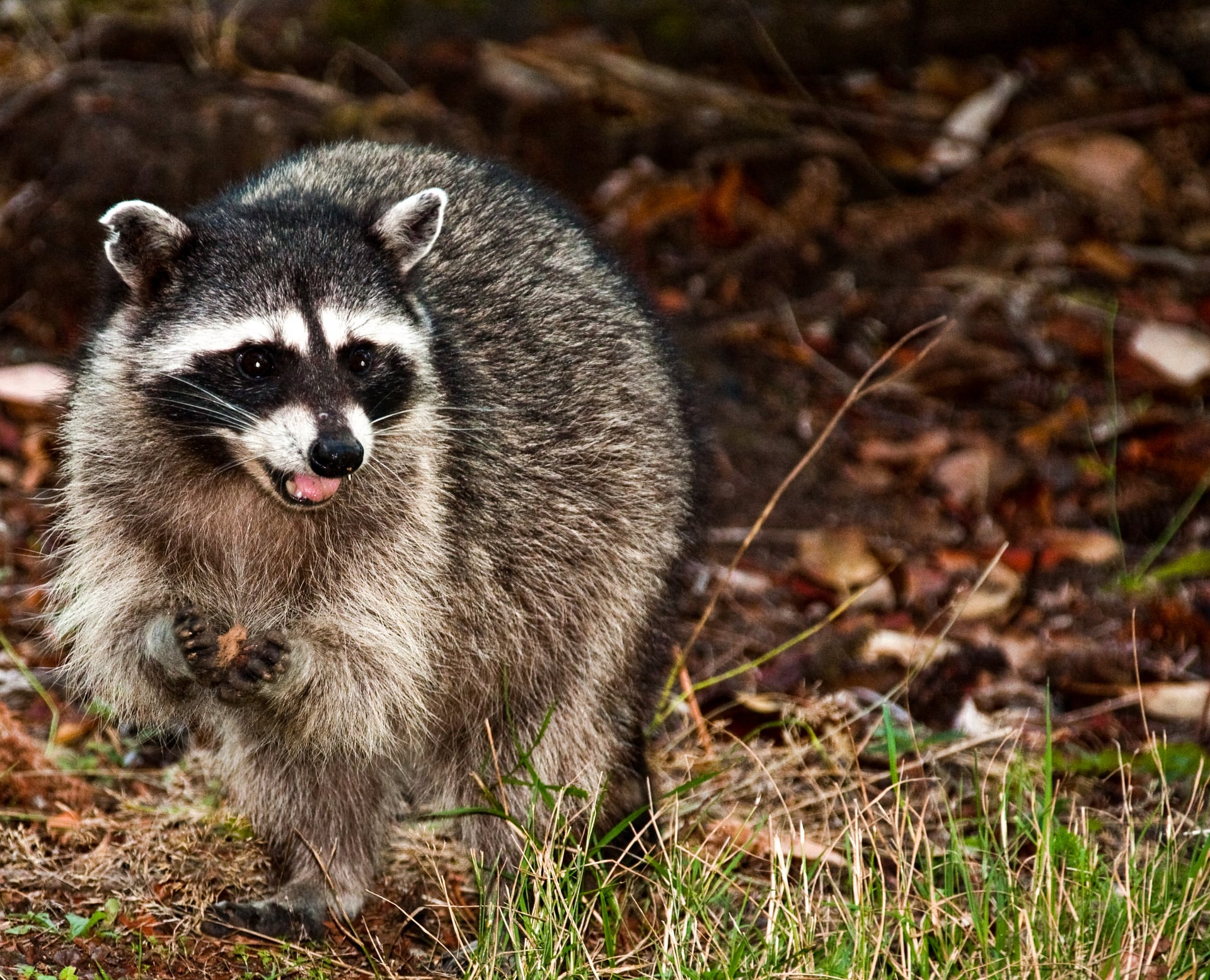
Raccoon droppings look and behave quite differently from rodent waste, largely because raccoons are bigger, smarter, and more deliberate about where they relieve themselves. Spotting the signs early matters given the health risks tied to this particular animal.
Tubular Shape and Communal Latrines
Raccoon droppings are tubular with blunt or slightly rounded ends, generally averaging around 3/4 inch in diameter, and their surface often has a textured or segmented look. One of the clearest identifying features is behavioral rather than physical: raccoons return to the same spots again and again, creating what wildlife experts call communal latrines. These waste piles often show up at the base of trees, on roofs, in attics, or along fence lines, and finding one is a strong sign that a raccoon has claimed part of the property as a regular bathroom.
Undigested Food Clues
Raccoons are opportunistic eaters, and their droppings often reflect whatever they have been feasting on. Bits of undigested seeds, berries, or other food fragments are common inside raccoon waste, setting it apart from the more uniform look of rat droppings. This detail also explains why raccoon poop can be mistaken for dog droppings at a glance, since both share a similar size and shape. Looking closely for those food remnants is often the easiest way to confirm a raccoon rather than a stray dog has been visiting the yard.
Don’t Mistake These Lookalikes
Rats and raccoons are not the only animals leaving behind evidence. A few other backyard visitors produce droppings that can easily cause mix-ups if a homeowner is not paying close attention.
Mouse and Squirrel Droppings
Mouse droppings are even smaller than rat droppings, usually resembling a tiny grain of rice with pointed rather than rounded ends. Squirrel droppings, on the other hand, are oblong and measure around 3/8 inch long, similar in size to rat droppings but with slightly rounder edges. Because these two can look so close to rat pellets, checking the surrounding area for gnaw marks, nesting material, or entry points is often necessary to confirm which animal is actually responsible.
Chipmunk Droppings
Chipmunk waste sits in an odd middle ground, larger than mouse droppings but smaller than typical rat droppings, and it resembles small grains of rice ranging from brown to black in color. Chipmunks tend to leave droppings near garden beds, stone walls, or wood piles rather than inside the home, which can help separate their activity from a true indoor rodent problem.
Why Cleanup Can’t Wait
Once droppings have been identified, waiting too long to clean them up creates more problems than it solves. Both health concerns and the risk of attracting even more pests make prompt action the smart move.
Roundworm and Other Health Risks
Raccoon droppings can carry roundworm, scientifically known as Baylisascaris procyonis, which poses a serious health risk to people and pets if the waste is disturbed without proper precautions. Rat droppings carry their own set of bacteria and pathogens, and a pile of them is a strong indicator of an active infestation that needs attention. Anyone cleaning up droppings, especially raccoon waste, should avoid dry-sweeping the area, since this can send contaminated dust into the air.
Odor Attracts More Pests
Beyond the direct health risks, leftover droppings and urine odors act like a welcome sign for other animals. The lingering scent can draw in additional rats, raccoons, or even entirely different pests looking for an easy meal or a den site. Cleaning the area promptly and thoroughly removes that signal and helps prevent a single sighting from turning into a repeat problem.
When to Call a Professional
Some situations call for more than a broom and a bottle of disinfectant. If animal droppings turn up inside the home and the homeowner feels uncomfortable handling the cleanup or unsure about the scope of the infestation, calling a professional is the recommended next step. This is especially true for raccoon waste, given the roundworm risk, and for larger rat infestations where scattered droppings suggest a colony rather than a single stray visitor. A licensed exterminator or wildlife trapper can also confirm the species involved, locate entry points, and recommend a removal plan suited to the specific animal rather than a generic fix.
Correct Identification Stops Infestations Early
Learning to tell rat droppings apart from raccoon droppings gives homeowners a practical head start on protecting their property and their health. Size, shape, color, and location all provide clues that, once understood, make it much easier to catch a problem before it grows. Acting quickly on that information, whether through careful cleanup or a call to a trained professional, keeps small pest issues from turning into bigger, costlier ones.
Anyone still unsure about what they’re looking at should consider reaching out to local pest control experts who can confirm the culprit and outline the safest way to handle it.
Connor’s Pest Pros
5410 Port Royal Rd
Springfield
VA
22151
United States


