
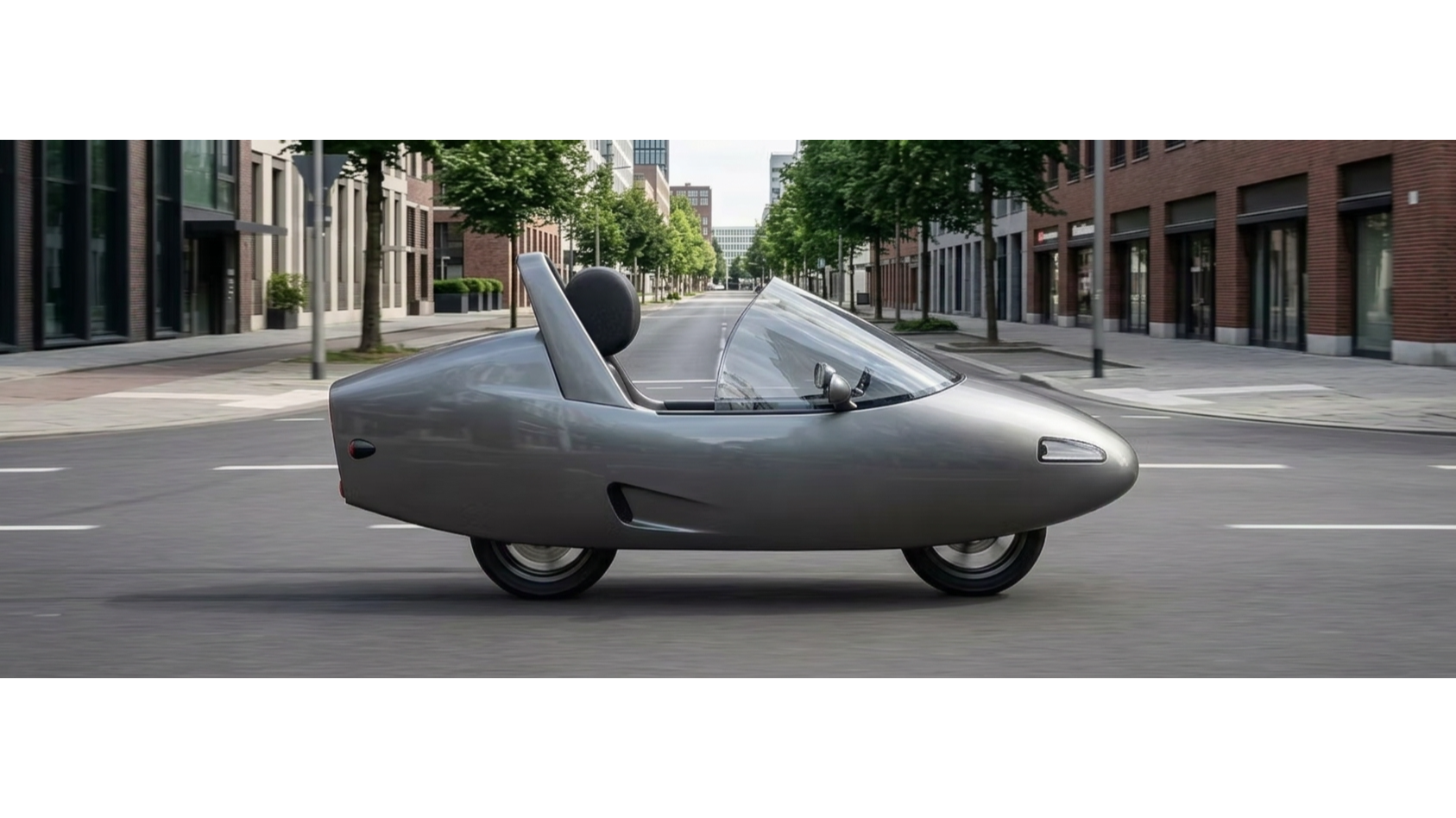
What if your daily commute could run partly on sunlight? No gas station stops, fewer charging costs, and a vehicle compact enough to slip through crowded city streets. Solar-powered scooters are bringing that possibility closer to reality, raising an intriguing question for investors: could the next big opportunity in electric mobility come on two wheels?
The market is already showing signs of momentum. According to the International Energy Agency (IEA), global sales of electric two- and three-wheelers reached approximately 11 million in 2025, creating opportunities for innovations that could make personal transportation more affordable and energy-efficient.
Jeffrey E. Dunan, inventor and advocate of solar-assisted transportation, sees potential in combining compact vehicle design with renewable energy. His work explores how solar technology could help make everyday mobility more accessible, an idea that is gaining relevance as investors examine emerging sustainable transportation solutions.
Why Sustainable Transportation Is Attracting Investors
Electric mobility has become an established segment of the global transportation market. While electric cars receive considerable attention, smaller vehicles offer distinct advantages in densely populated cities and regions where personal transportation must remain affordable.
According to the IEA’s Global EV Outlook 2026, worldwide electric two- and three-wheeler sales increased nearly 15% in 2025. This growth suggests continued consumer interest in alternatives to conventional gasoline-powered transportation.
For investors exploring business opportunities, the sector offers possibilities across vehicle development, charging infrastructure, battery technology, and mobility services.
However, investment potential depends on identifying commercially viable solutions that address genuine transportation needs.
How Do Solar-Powered Scooters Work?
Solar-powered scooters generally combine an electric motor, rechargeable battery, and photovoltaic panels that convert sunlight into electricity.
Depending on the design, solar panels may be integrated into the vehicle or positioned separately for charging. The electricity generated can supplement conventional grid charging, potentially reducing dependence on purchased electricity.
The amount of usable solar energy depends on panel size, sunlight exposure, charging efficiency, and battery capacity.
Because scooters have limited surface area, solar panels may not generate enough electricity to meet every journey’s energy requirements. For many designs, solar power functions as a supplementary charging source.
This distinction matters when evaluating commercial claims and projected operating costs.
Where Are the Biggest Business Opportunities?
Several potential markets could benefit from affordable, energy-efficient personal transportation.
Urban commuters represent one possibility, particularly where traffic congestion and parking limitations make conventional cars inconvenient.
Campus transportation, tourism operations, and short-distance delivery services may also provide opportunities for compact electric vehicles.
In regions with limited charging infrastructure, supplementary solar charging could offer additional flexibility, provided suitable sunlight and charging space are available.
For entrepreneurs, business opportunities may extend beyond manufacturing. Battery systems, charging accessories, fleet management software, maintenance services, and distribution partnerships could contribute to a developing commercial ecosystem.
The strongest opportunities will likely depend on matching vehicle capabilities with specific customer requirements.
What Should Venture Capital Investors Consider?
Before supporting a solar-powered scooter business, investors should examine prototype performance, manufacturing costs, consumer demand, and the company’s ability to achieve regulatory compliance.
Battery durability, vehicle safety, charging efficiency, and maintenance requirements can influence both customer satisfaction and long-term profitability.
Manufacturing scalability is another important consideration. A functional prototype does not automatically translate into an affordable mass-produced product.
Investors should also assess intellectual property protection, distribution strategies, and competition from established electric scooter manufacturers.
Clear financial projections supported by testing and market research are essential when determining whether a concept warrants further investment.
The Future of Solar-Powered Scooters
The continued adoption of electric two-wheelers creates opportunities for innovation in affordable personal transportation. Solar-assisted charging could become one useful feature, especially where travel distances are short and sunlight is readily available.
Nevertheless, commercial success will depend on practical performance, competitive pricing, and demonstrated customer demand.
For investors interested in exploring how solar-assisted transportation concepts could develop, Jeffrey E. Dunan’s Solar Electric Scooter overview offers an additional perspective on renewable-energy mobility and the considerations involved in bringing new vehicle technologies to market.
Lotus Ministry Trust
lotus.ministry.trust@gmail.com
1355 Post St
405
San Francisco
California
94109
United States


